Sustainability in Texas Vineyards
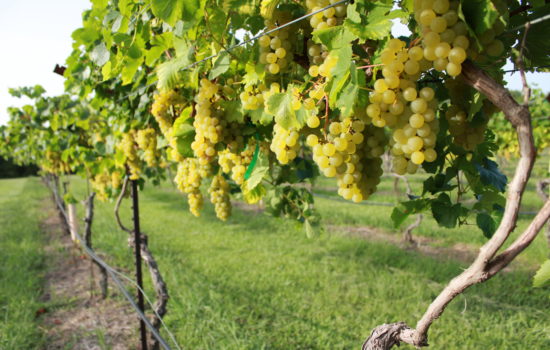
Texas vineyards are foraging ahead with sustainability in agricultural practices. Vineyards in Texas started again 50 years ago with Texas Tech University showcasing that grapes can grow successfully in Texas. With “earth Day” next week, let’s see what sustainable practices are being practiced in Texas. Fritz Westover of Virtual Viticulture Academy and the Vineyard Underground Podcast told me, “Vineyard Sustainability is a top priority for the grape growers I work with in Texas. Growing grapes organically isn’t feasible in many areas of the state due to rainfall and fungal disease pressure, but I do work with several certified organic vineyards in the drier climate of the High Plains. Sustainability differs from organic because it considers soil health, vineyard worker safety, and the intentional reduction of outside inputs including fertilizers and pesticides. Whereas organic certification focuses more on restricting the use of certain inputs. For example, most of my growers stopped using the herbicide glyphosate (Roundup) years ago and moved to products that break down more readily and are safer for workers to apply. Organic fertilizers such as compost or cover crops, are increasingly used in many of the vineyards I work with across the state. Several of my growers are now integrating sheep grazing into their vineyard sites to promote natural soil fertility while controlling weeds and unwanted ground cover. Texas is at the forefront of innovations to promote vineyard sustainability. It is exciting to draw from what growers across the country are doing to see how it fits with our climate here.”
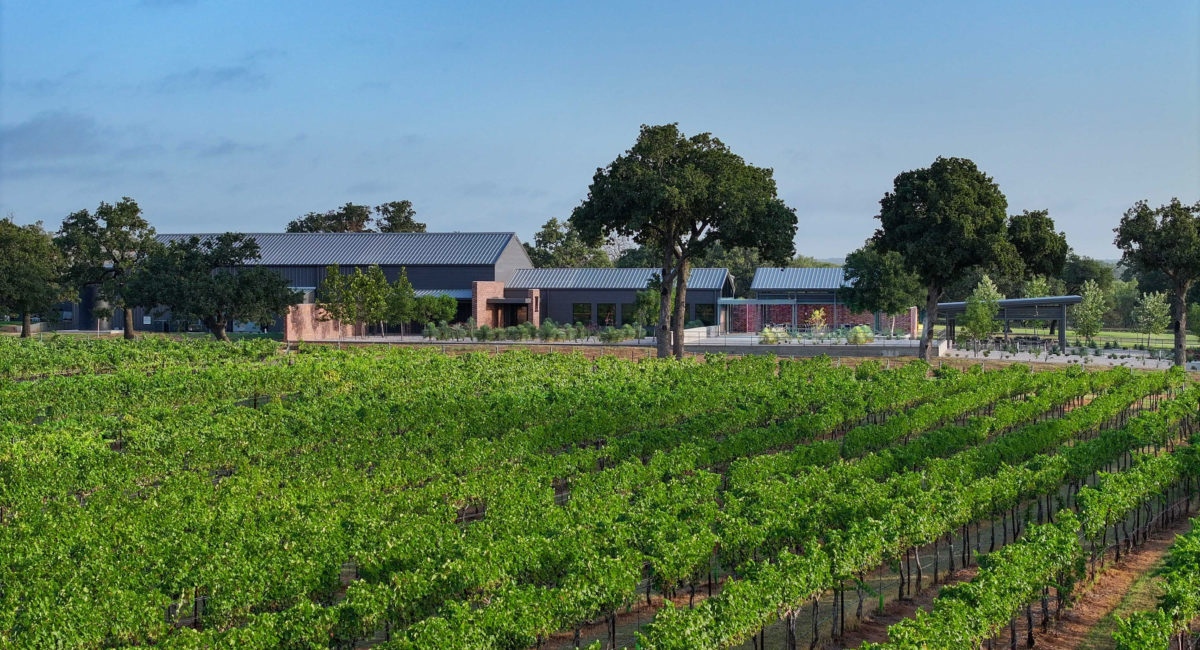
One of the Texas wineries who owns vineyards is Heath Family Brands who farms 68 acres of estate vineyards in the Texas Hill Country. Their approach to the land is guided by one core belief being, healthy soil grows better wine.
Vineyard Manager, Clint Messimer, says: “Sustainability begins with building soil health and working with biology rather than against it. By integrating wildlife support and biodiversity-focused strategies, these methods create a self-improving system that becomes more resilient, productive, and balanced over time.”
In practice, that means implementing:
• no-till farming,
• returning canopy material to the soil,
• planting native ground covers and cover crops between rows,
• providing organic nutrients and bio stimulants in place of synthetic inputs,
• supporting beneficial nematodes for natural pest suppression, and
• implementing under-vine mulching for water conservation.
Clint also added, “Together, these methods support beneficial organisms, invite wildlife and biodiversity, and create a self-improving system that becomes more resilient and balanced with every vintage.”
That philosophy is now surfacing in Heath Family Brands’ wines. At K Estate, guests can enjoy their sustainable grapes in their Estate White and Tempranillo, both grown on-site in the Texas Hill Country. K Estate’s Provincia Rhone blend and Torn Loyalties being estate wines will be arriving this fall. At Invention Vineyards, an estate Tempranillo blend and a Tannat are anticipated in 2027. Heath Family Brands also coordinates closely with long-term partner growers in the Texas High Plains. Both share commitments to sustainable farming, bringing an additional 600–800 tons of Texas-grown fruit into the Heath Family Brand portfolio each vintage. Guests visiting K Estate or Invention Vineyards will experience a wide menu of Texas wines, sourced from these trusted farming partnerships. Celebrate Earth Day with these sustainable Texas wines made from Texas sustainable grapes!